


Author Interview with Lona Baily
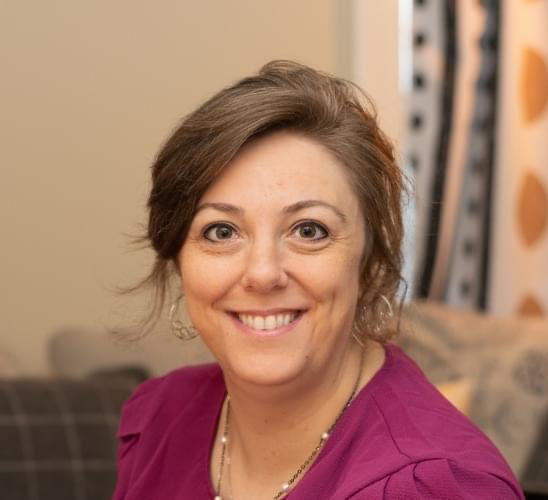
Dr. Lona Bailey is an award-winning, Amazon-bestselling author and leading researcher of the Golden Age of Hollywood. She has written several acclaimed biographies, including Uncredited, Voice of Villainy, Mrs. Radio, and Some Small Nobility, with a focus on restoring the voices of overlooked women. Her book Voice of Villainy was a finalist in the International Book Awards and won the Gold Medal in Dan Poynter’s Global Ebook Awards. Dr. Bailey has been featured in Film Daily, The Los Angeles Tribune, and on The Wolfe Den Show. Her recent works include Lead Thou Me On: Titanic’s Countess of Rothes and The Wicked Witch of the West: The Enduring Legacy of a Feminist Icon, praised by Gregory Maguire, and she is a featured player for her forthcoming biography Wasp Woman: Hollywood’s Susan Cabot in the new docuseries Wasp Woman now streaming on Sundance Now.
How did you become a writer?Before I became a writer, I became a dedicated reader. I learned to read at age five, and from that point on I was completely immersed in stories. That early connection engaged my imagination, and before long I wanted to create my own stories in addition to the ones I read. Once I began writing professionally in my thirties, particularly biographies, it felt like everything I had done up to that point, including psychology, coaching, and research, finally had a place to come together.
What inspires you to write?I’m inspired by overlooked narratives, especially women whose contributions have been minimized or misunderstood. There’s something powerful about taking a life story that’s been reduced to a footnote and helping to bring it into fuller focus in its complexity. I’m also inspired by human behavior. As a psychologist, I always want to know why people do what they do, how they make meaning out of their circumstances. That’s really the thread that runs through everything I write both in fiction and nonfiction.
How do you develop your plot and characters?Even in my fiction, I approach characters almost like a biographer. I want to know where they came from, what shaped them, what they’re afraid of, and what they want more than anything. I think readers want to know those things too. The plot tends to grow out of those background basics. I don’t force events onto characters; I just let their decisions create the story.
Could you share some of your challenges as a writer?Honestly, one of the biggest challenges is the waiting—waiting on responses, waiting on decisions, waiting on things that are completely out of your control. It can create this sense of helplessness if you let it. On a craft level, it’s always a balance between honoring the research and keeping the narrative engaging. You don’t want to lose the reader in the details, but you also don’t want to oversimplify something that deserves depth.
Tell me about your protagonist. What's your favorite trait and/or weakness?One of my favorite protagonists is Mancy Drake from my fiction The Stay Awake Girl. Mancy is clever, resourceful, and wonderfully persistent. What I tend to love most about her is her resilience, her ability to keep moving forward on even a glimpse of hope despite the odds stacked against her. But that same devotion can pull her into dangerous waters, leading her to trust too deeply or push herself further than she should in the name of something she believes in.
How does your antagonist create conflict?The antagonist in The Stay Awake Girl, Dr. Thomas Crane, creates conflict by directly challenging Mancy’s sense of identity and control. He is not simply there to oppose her, but to dismantle what she has built. His goal is to take her identity and everything she has worked for in order to advance his own political agenda.
What are your current/future projects?I just recently finished the official biography of actress Anne Baxter, which has been an incredible experience. It is set to release later this year. I’m also continuing to develop both nonfiction and fiction projects, including historical fiction and work that blends psychological insight with storytelling. There’s always something in motion.
Do you have a routine you follow when writing?Imagine typing on an old typewriter while being a passenger on a runaway train – that’s my process!
If you could go back in time and give yourself advice, what would it be?I would tell myself not to measure progress by external validation. This is a field where feedback can be slow and inconsistent, and if you rely on it to define your worth, it will wear you down. Focus on the work itself—that’s the part you can actually control.
Do you have any advice for aspiring writers?Write more than you think you need to, and don’t wait until something feels perfect to move forward with it. Also, learn how to sit with uncertainty. Rejection is part of the process, not a sign that you’re doing something wrong. And above all, develop your voice. That’s the one thing no one else can replicate!
What is your preferred method for readers to get in touch with you?The easiest way is through my website, where readers can reach out directly. I always appreciate hearing from people who’ve connected with the work. It’s one of the most meaningful parts of what I do. Learn more about Dr. Bailey’s work here.


Reading author interviews and biographies, particularly those highlighting overlooked figures from the Golden Age of Hollywood, offers a fascinating look into literary research and historical storytelling. Exploring the lives and contributions of pioneering women in cinema helps restore crucial narratives to film history.
When you take a break from reading author spotlights and deep-dive biographies, Spin Mamas offers a fun platform for casual online entertainment and relaxation.